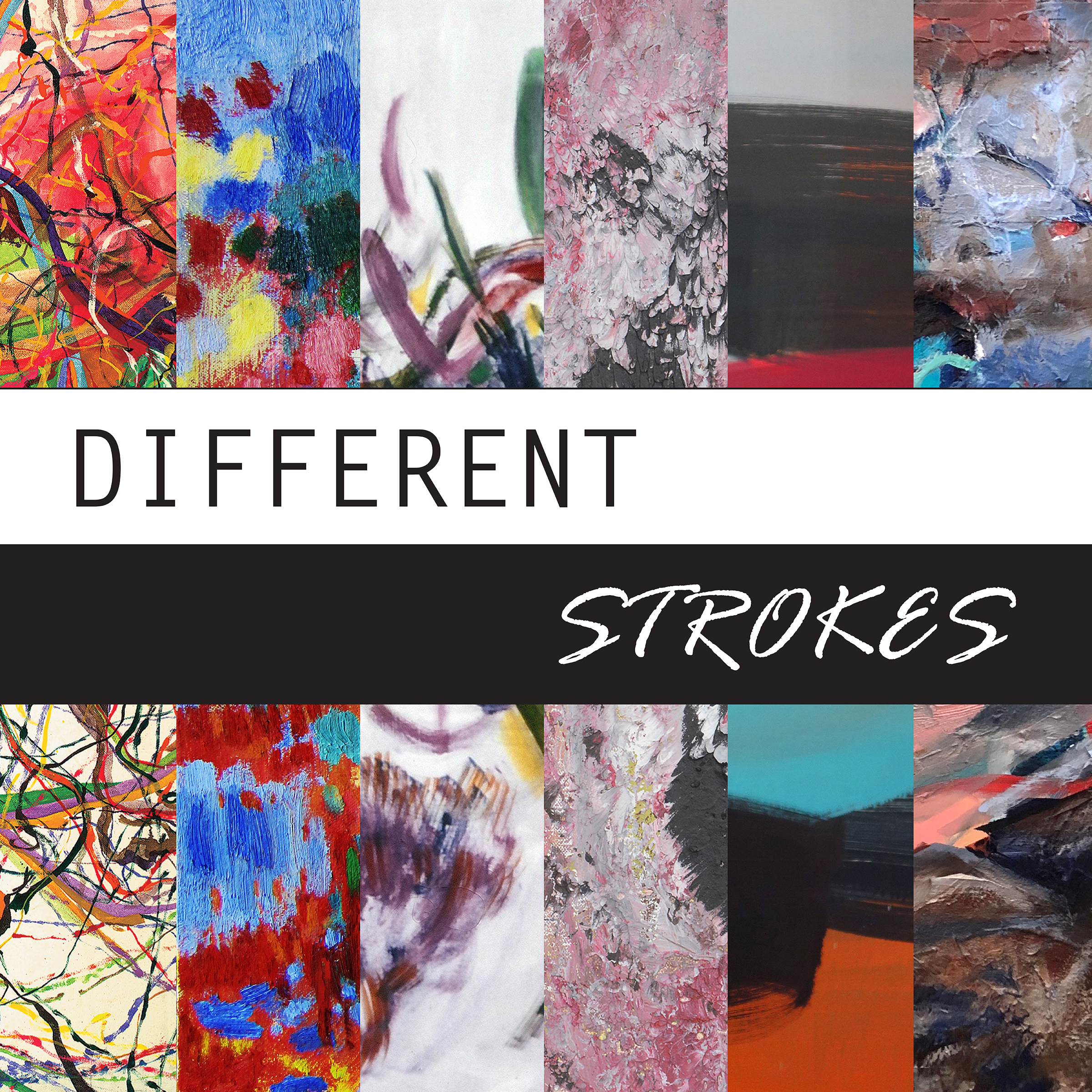
June 21 - September 18, 2018

As the long, grey months of winter finally melt away, one longs for yellow daffodils, a warm breeze, and the sun’s triumphant return. The Anita Shapolsky Gallery’s summer exhibition, “Different Strokes”, seeks to fill this longing by bringing together six different artists whose works all capture the vibrancy of the season. Distinct, dynamic, colorful brushstrokes permeate each piece, but each artist uses different strokes to convey their own personal visual philosophies.

ARTISTS
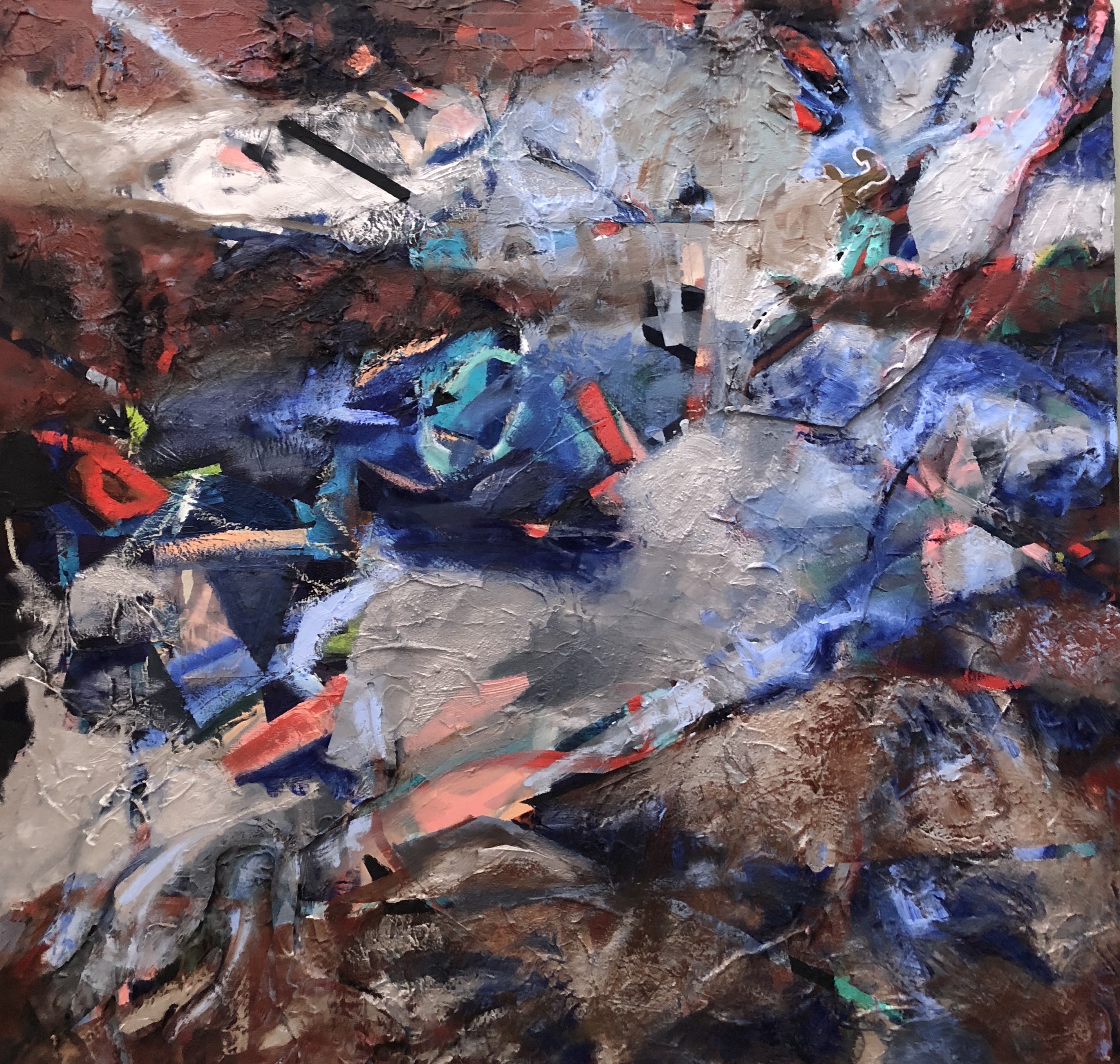
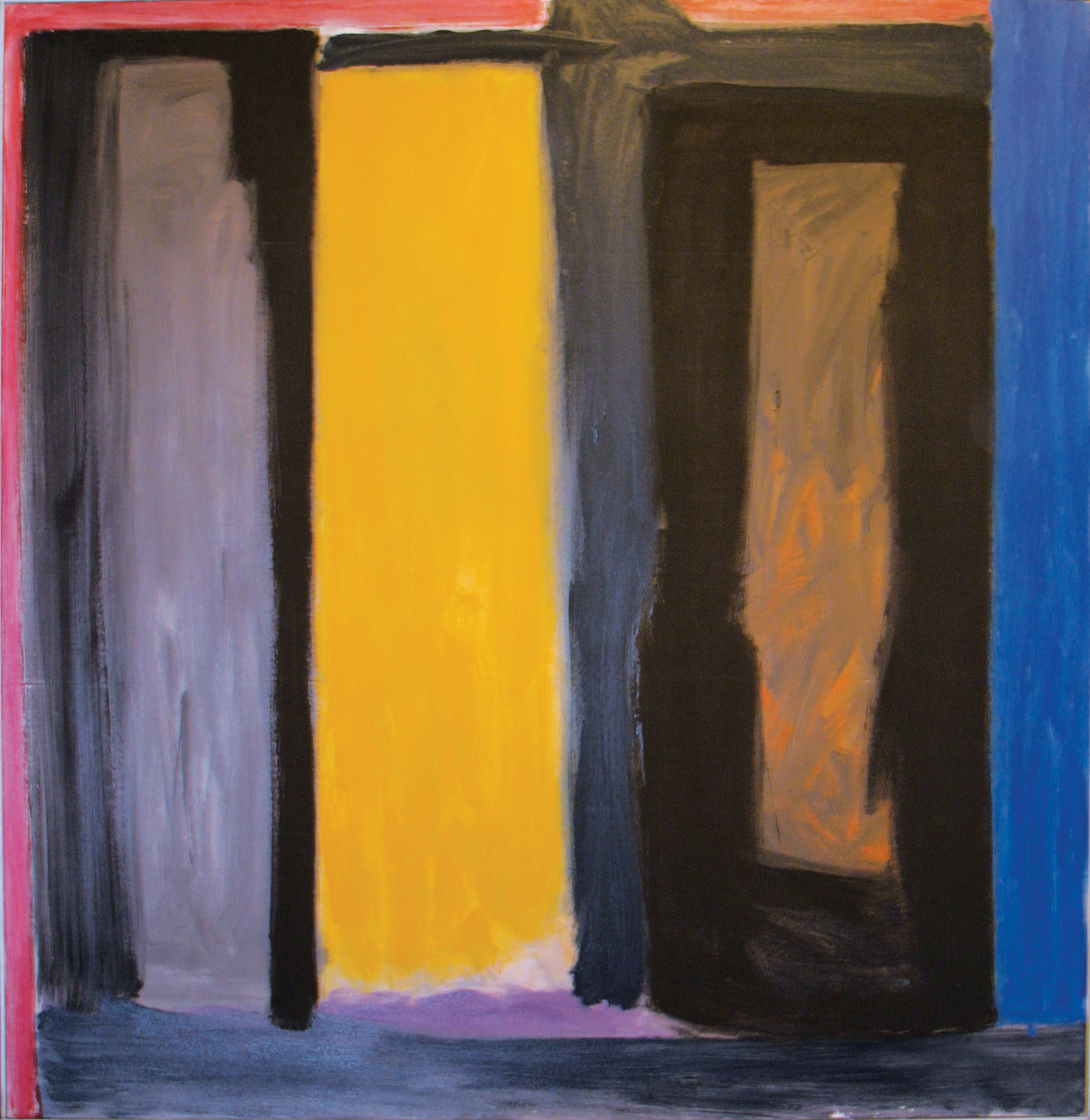
Denise Carvalho, Detours, 2018, oil and collage on canvas, 40 x 38
Denise Carvalho, Detours, 2018, oil and collage on canvas, 40" x 38"
DENISE CARVALHO

is a Brazilian-born artist who draws inspiration from various philosophies such as Jacques Derrida’s deconstruction, Carl Jung’s collective unconscious, Wassily Kandinsky’s concept of synesthesia, and El Lissitzki’s prouns. Her paintings attempt to expand geometric forms into visual codes beyond language, using concepts of excess and restriction, order and chaos. Carvalho participated in the Florence Biennale in 2000 and has had a solo exhibition at the Abney Gallery and the Jadite Gallery in New York City.
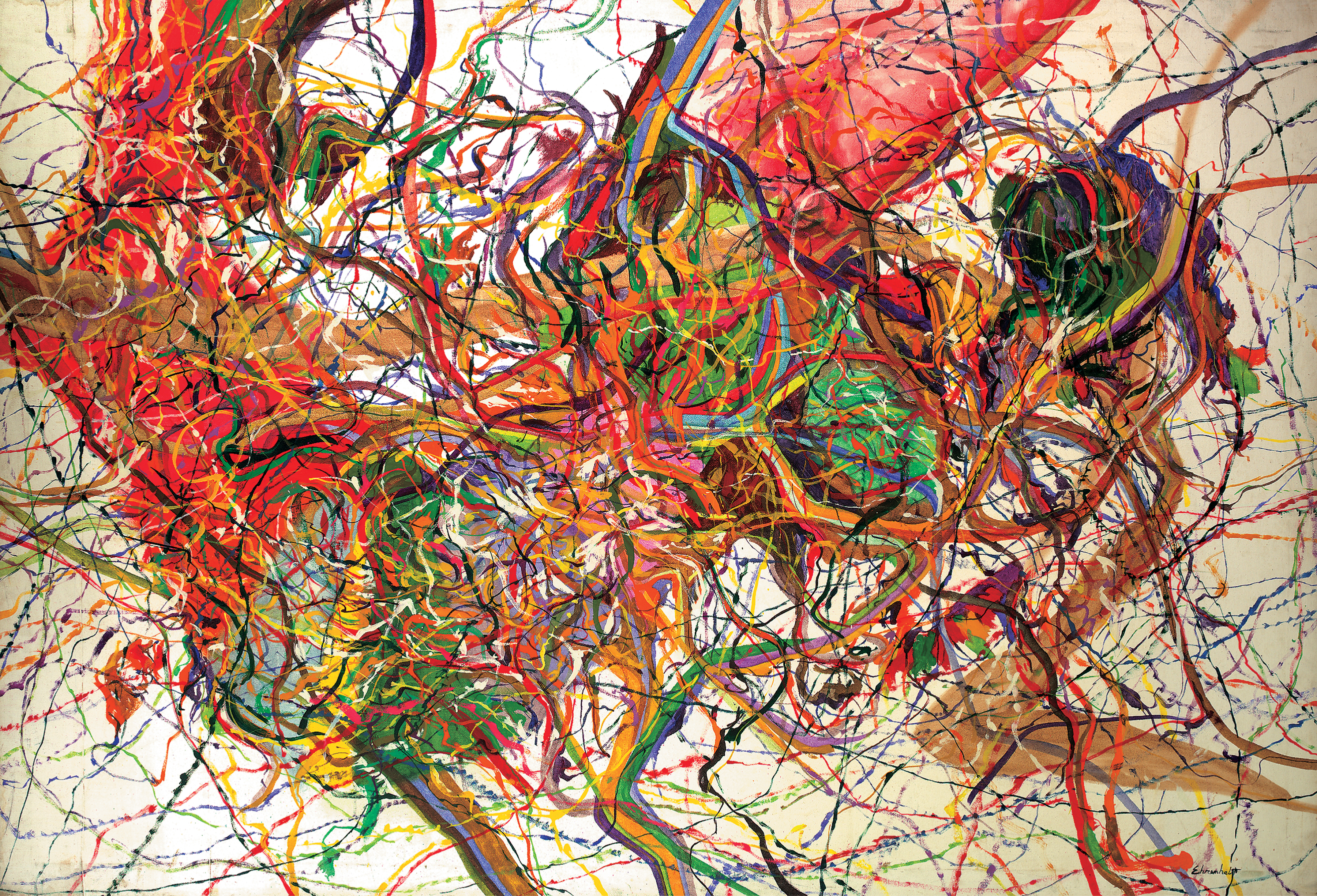
Amaranth Ehrenhalt, Umatilla, 1959, oil on canvas, 59" x 87"
AMARANTH EHRENHALT

is an extremely prolific second generation abstract expressionist. Although part of the New York School, she spent most of her career in Paris, where she met, socialized, and exhibited with artists such as Seymour Boardman, Joan Mitchell, Alberto Giacometti, and Sonia Delaunay. She has worked with a variety of media, producing paintings, sculpture, mosaics, ceramics, watercolors, tapestries, scarves, and prints. The titles of her paintings often refer to specific memories, which she expresses with dynamic, interactive, and bold brushstrokes. Ehrenhalt has taken part in multiple exhibitions at the Anita Shapolsky Gallery. She has had solo shows in Paris, New York, and Los Angeles and has pieces in collections at the Bibliothèque Nationale de Paris, the National Foundation of Contemporary Art in Paris, and the Joseph H. Hirshhorn Museum in Washington D.C.
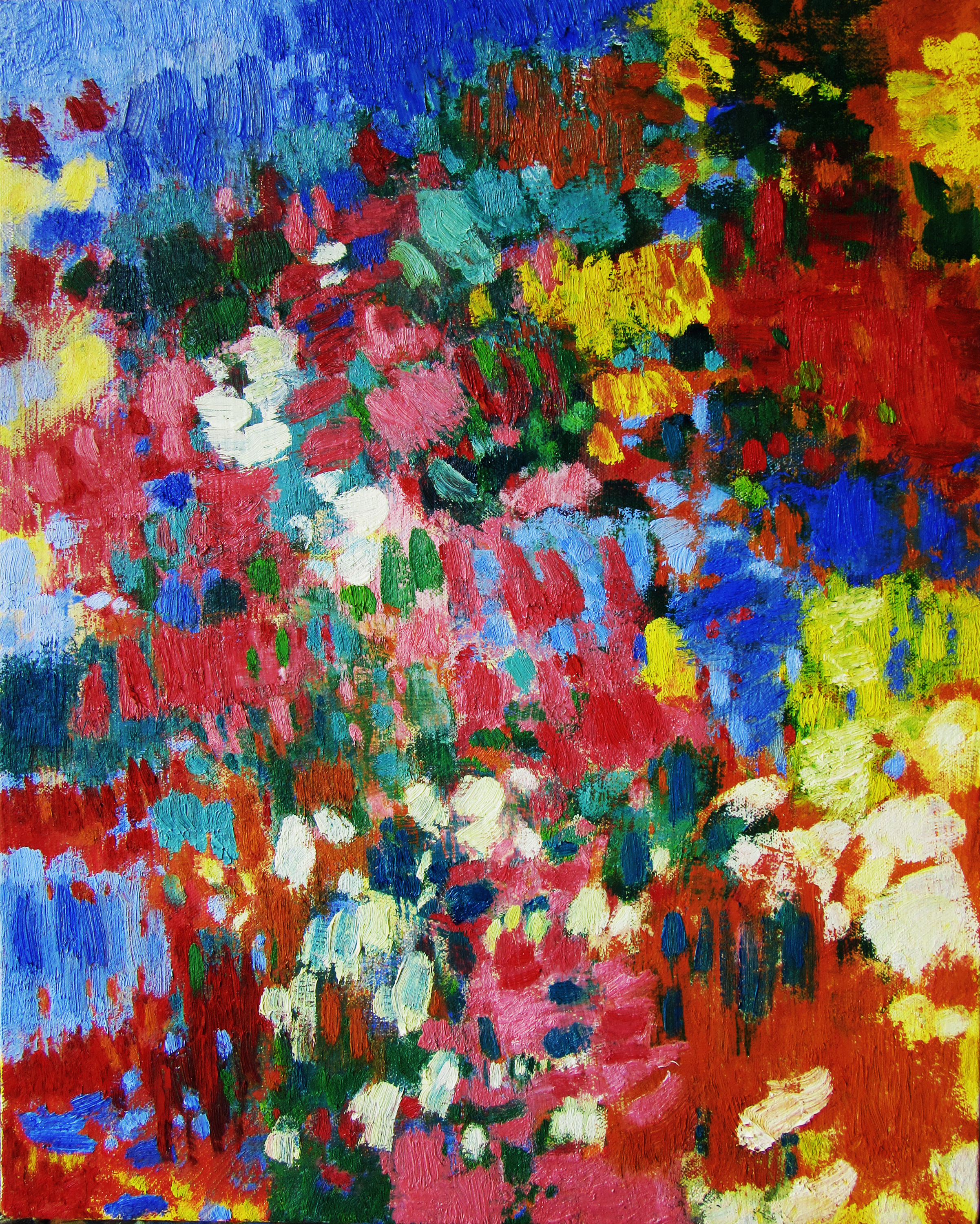
Lorna Ritz, Peonies, 2016, oil on canvas, 20" x 16"
LORNA RITZ

creates abstract paintings using seasonal color combinations that occur in natural landscapes coupled with the aesthetics of what she refers to as her own “internal landscape.” An improvisational artist, she responds to the rhythms, harmonies, synchronizations, and counterpoints that rise up during the creative process, letting the paint realize the emotion, spirit, soul, and memory found in these landscapes. Her recent solo exhibitions were held at the Brown Fine Arts Center, the Augusta Savage Gallery, and the Contemporary Art Museum at the University of Massachusetts.
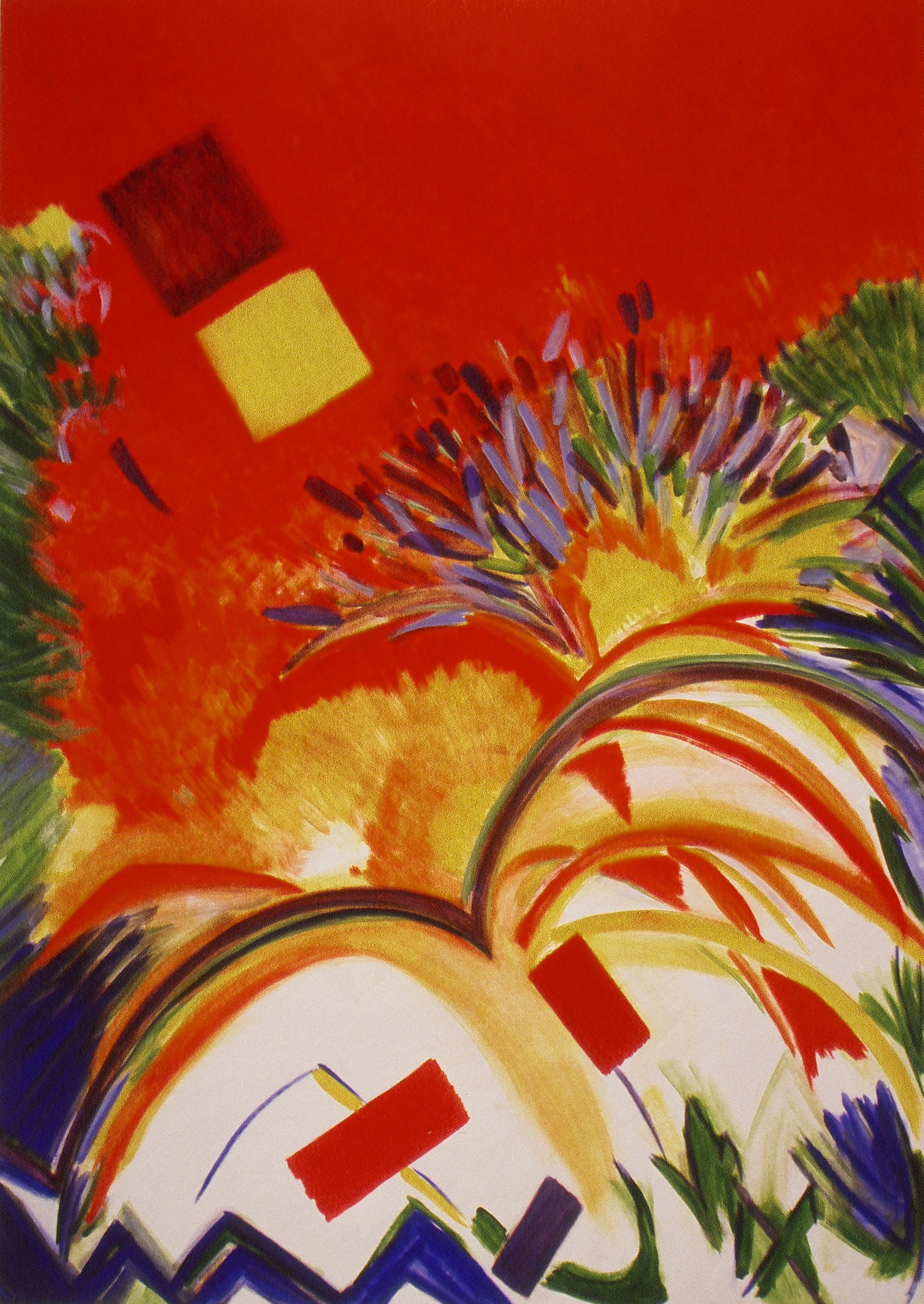
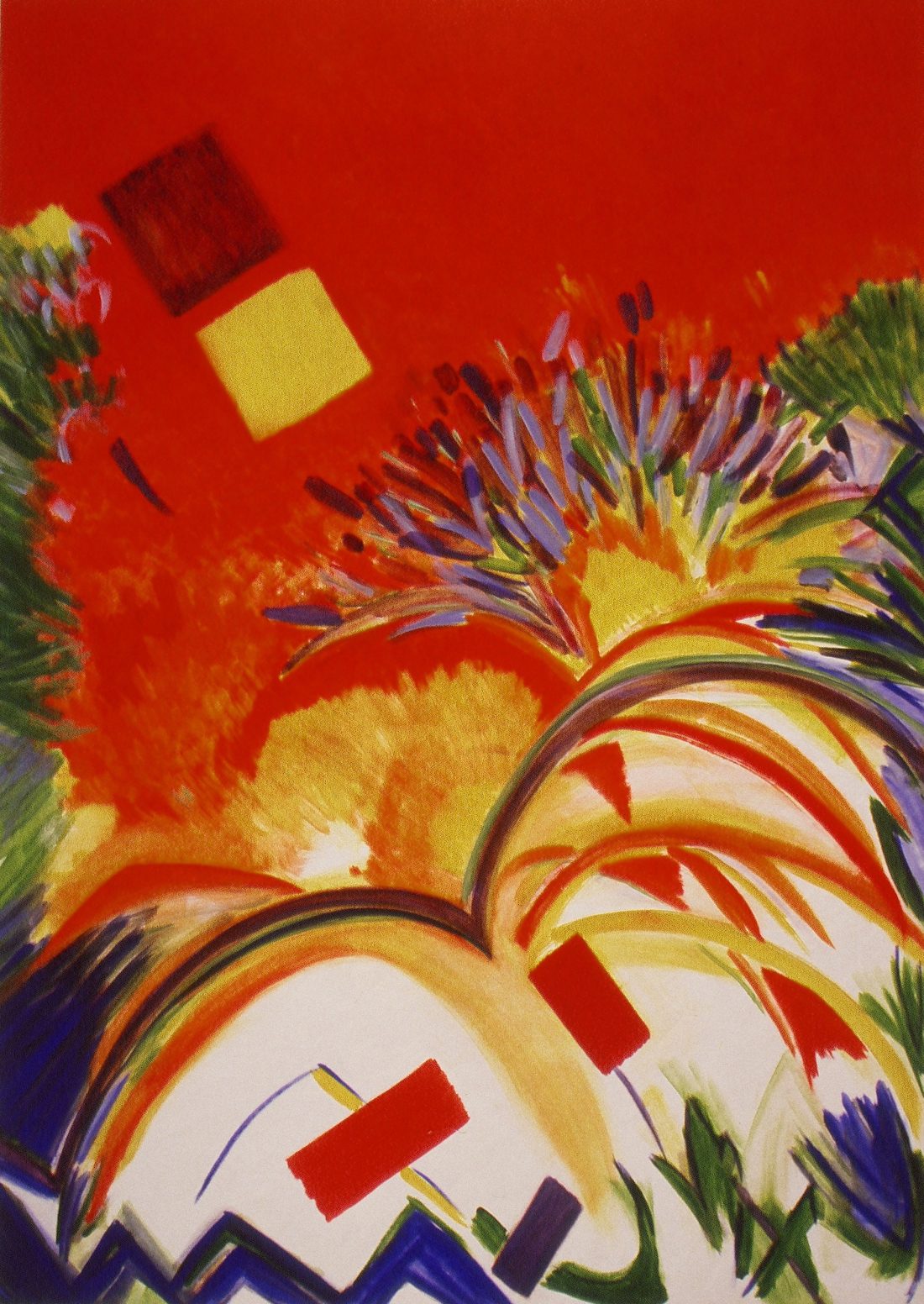
Ce Roser, Red Letter Day, 1987, oil on canvas, 54" x 72"
CE ROSER

transforms memories and emotions into a visual vocabulary she describes as “a surge of energy, peaks of color, a world of fluctuation and vicissitudes.” Her brushstrokes are varied - sometimes explosive, sometimes sweeping, sometimes delicate - creating a visual poetic adventure. She has exhibited internationally at numerous galleries and museums. Her work is included in collections at the Guggenheim Museum, the Whitney Museum, and the Brooklyn Museum.
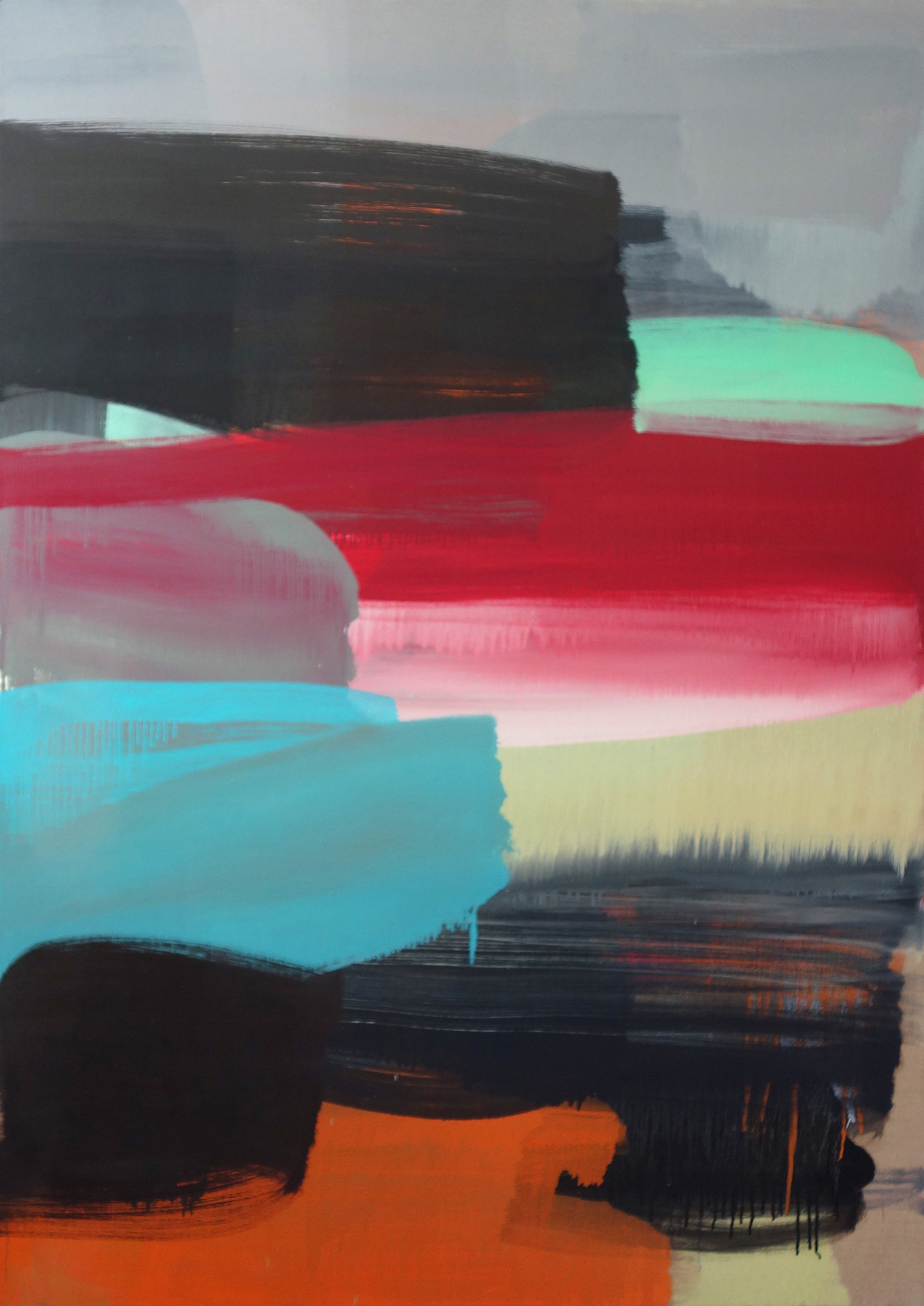
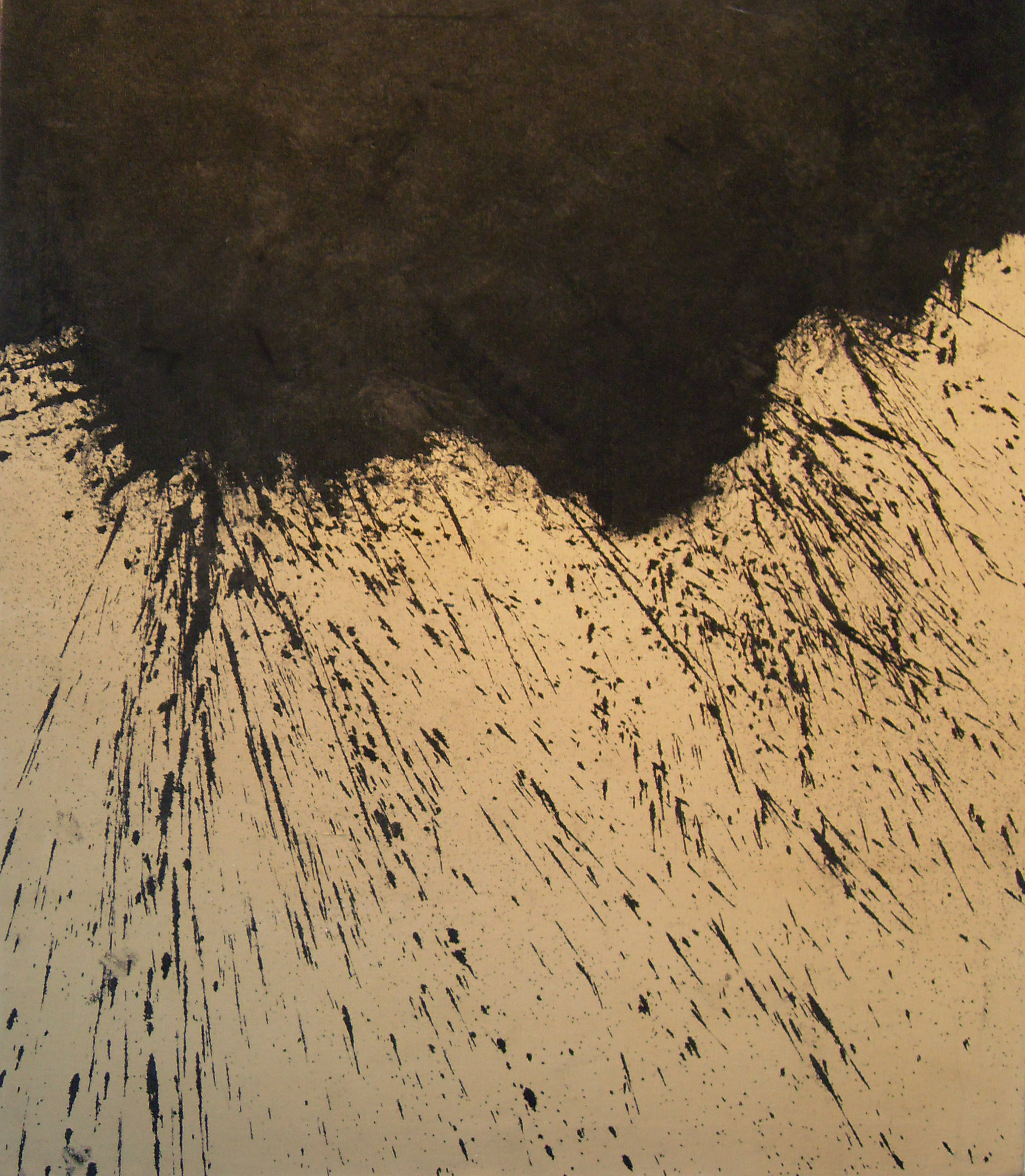
Marc Van Cauwenbergh, Cloud, 2017, oil on linen, 70" x 50"
MARC VAN CAUWENBERGH

is originally from a small city in Belgium, however, he now lives and works in New York City. His broad, dynamic brushstrokes and lush, bright colors reflect the shifting movements of bodies within the urban landscape. Van Cauwenbergh explores this urban chaos and the increasing fragmentation of human identity and communication in the contemporary world. As a bridge to his Flemish origins and sensibility, he uses Belgian linen almost exclusively. Van Cauwenbergh has exhibited internationally since 1984, with several one man shows in New York and Belgium.
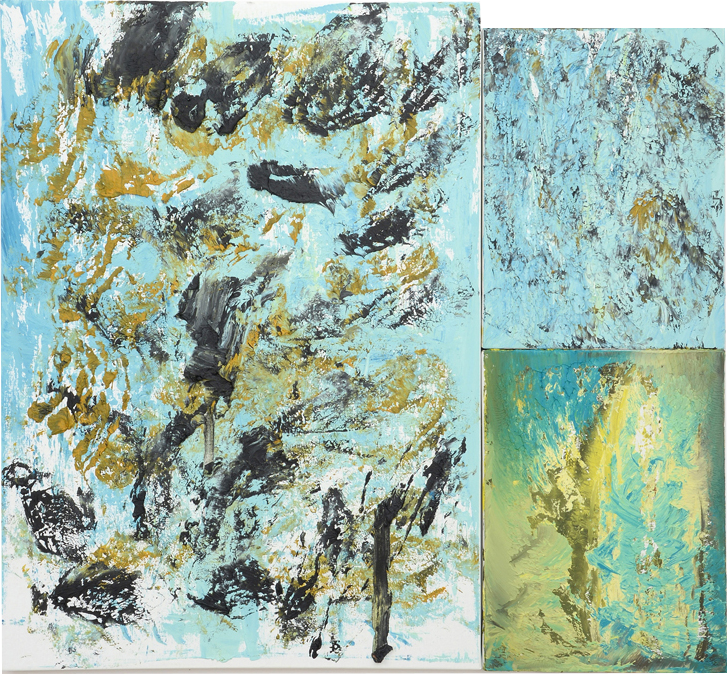
Alison Weld, Inner Overture 2, 2018, oil on canvas, 50" x 54"
ALISON WELD

describes her paintings as metaphors for light: the light of the sun and the light of the mind. Her studio, located in a hayfield in the Adirondack Park in upstate New York, is flooded with light, which she captures to create an atmosphere of soulfulness, spirituality, and ethereality in her abstract paintings. Weld has shown at both the Anita Shapolsky Gallery and the A.S. Art Foundation, the Everson Museum of Art, the Jersey City Museum, the Jane Voorhees Zimmerli Art Museum at Rutgers, and many others.
 

CATALOG

Ernest Briggs: Four Decades of Abstract Expressionism

ERNEST BRIGGS: FOUR DECADES OF ABSTRACT EXPRESSIONISM

APRIL 19 – JUNE 15 2018

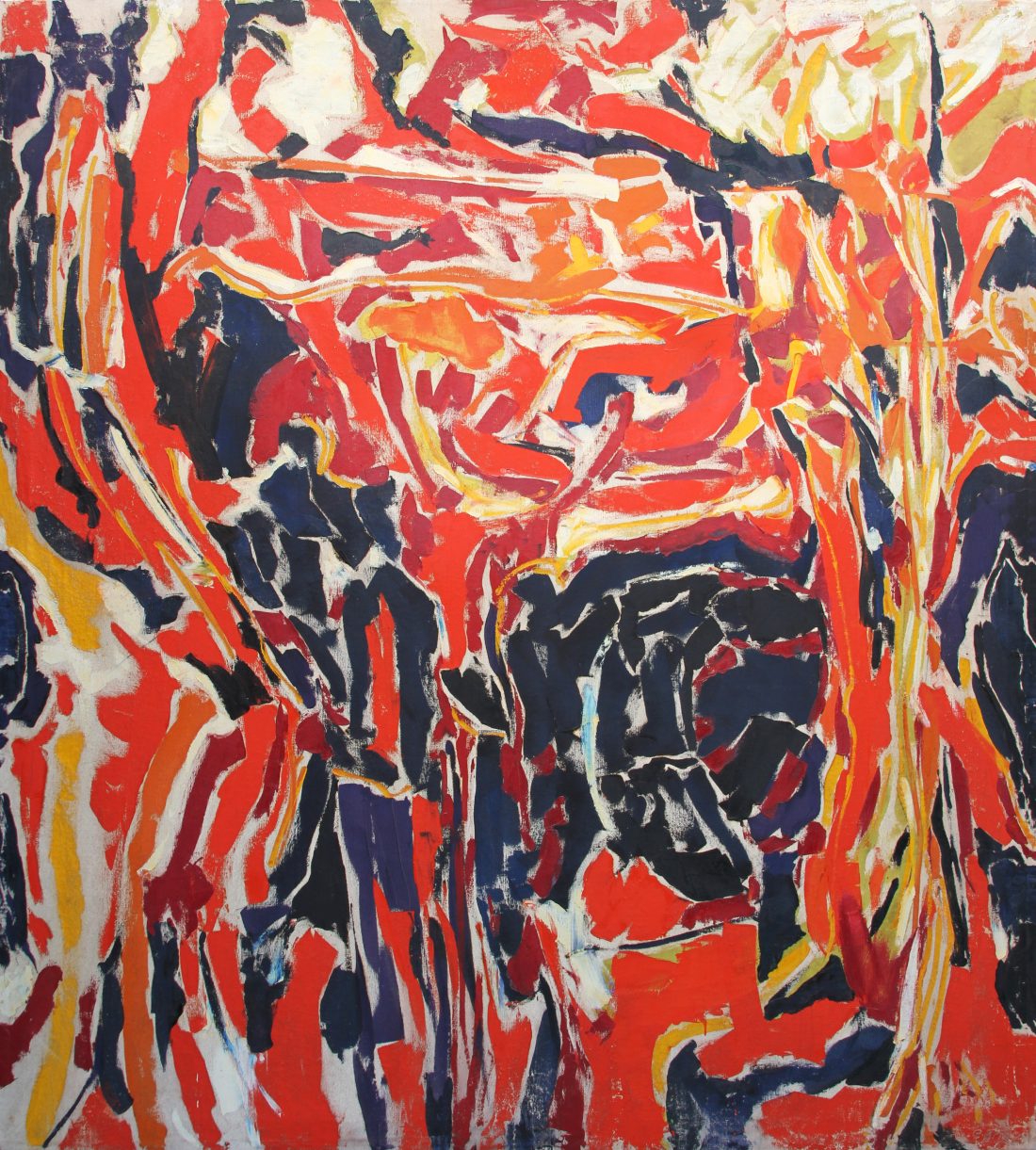
Ernest Briggs, Untitled, 1959, oil on canvas, 82″ x 74″
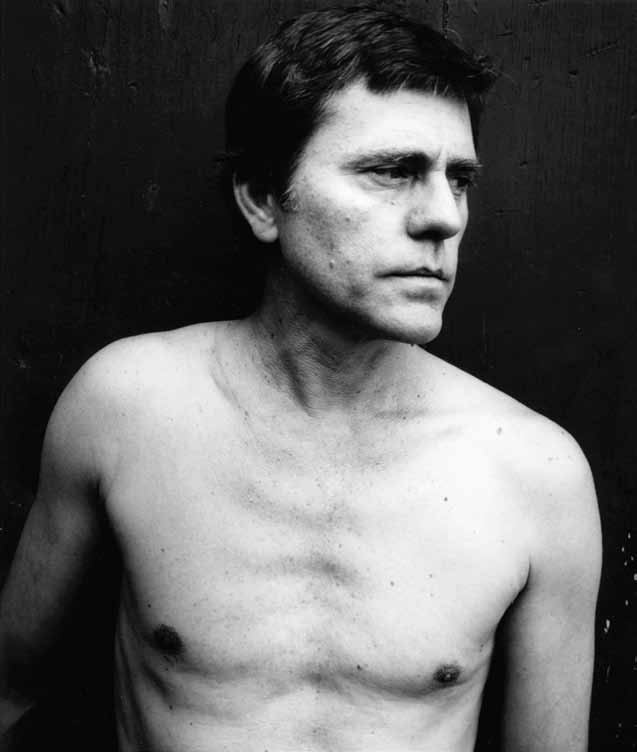
Ernest Briggs, 1984
Ernest Briggs, a second generation abstract expressionist painter, infused the 1950’s New York art scene with a multiplicity of compositional arrangements and painterly strategies. His work is distinguished by its bold, sensual use of color and its freedom from conventional forms. The canvases are monumental and impressive; they catch our eyes and trap us in their powerful intimate world.


“Four Decades of Abstract Expressionism” celebrates his profound creations from the late 1940’s to the years leading up to his death in 1984.
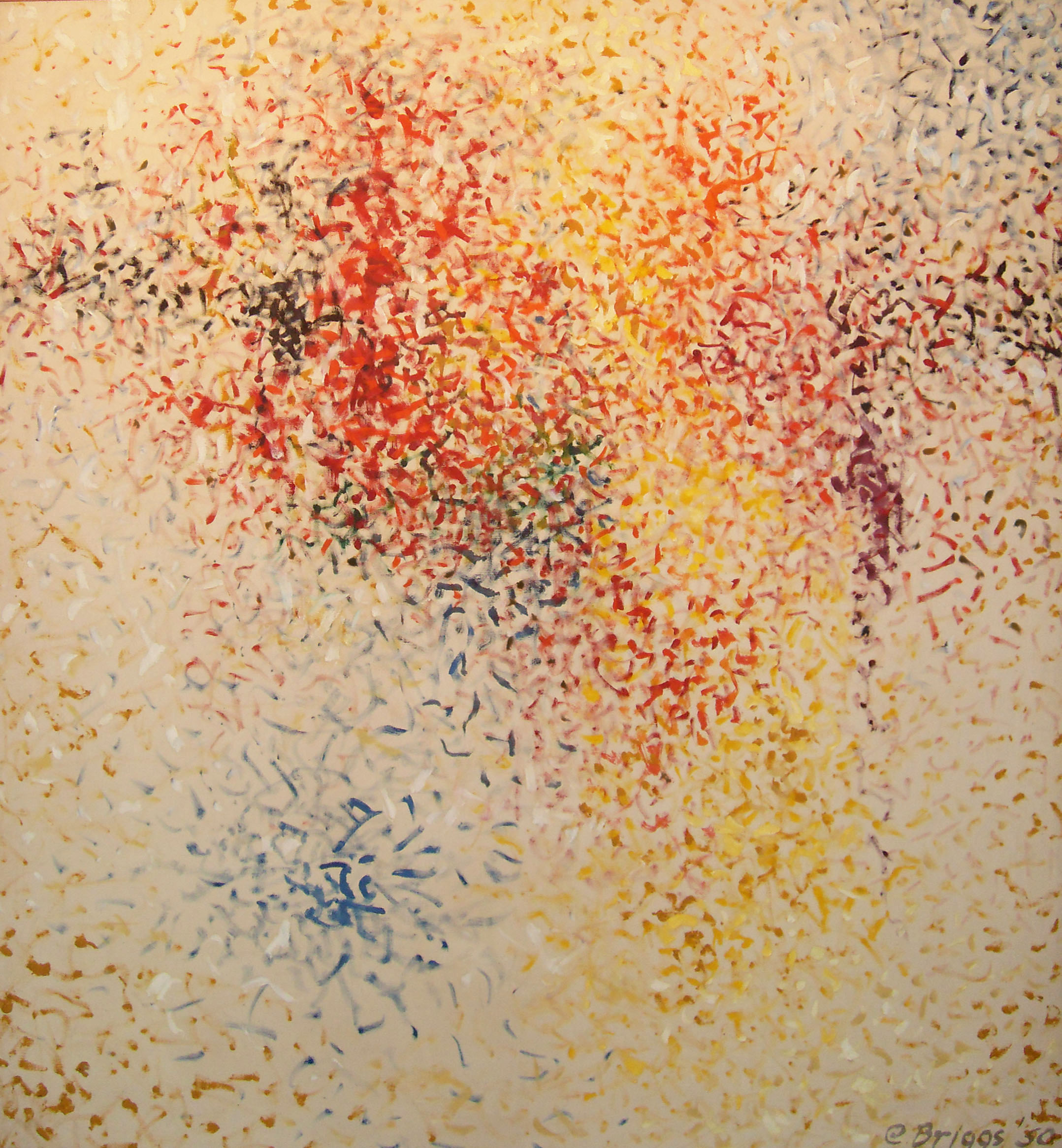
Ernest Briggs, Untitled, 1950, oil on canvas, 72″ x 68″
Ernest Briggs, Untitled, 1958, 94" x 69.5"
Ernest Briggs, Sketch for a Crucificion, 1981, 69.5" x 67.5"
Ernest Briggs, Untitled, 1962, 64" x 78"
Ernest Briggs, Untitled, 1958, 30" x 25"
Ernest Briggs, Palermo, 1964, 32" x 38"

“FOCUS ON ABSTRACT GEMS”

“FOCUS ON ABSTRACT GEMS”

Small Paintings, Sculptures, and Paper Pieces

February 13th – April 7th 2018

As winter is fully upon us, few people venture out to visit galleries. Our charming exhibit of small paintings, paper pieces, and sculptures are worth the trip. These works adhere to the gallery’s focus of abstract expressionist style, but offers an eclectic variety of genre, medium and eras. It exposes rare drawings, prints, photographs and paintings from some of the most significant artists of the 1950’s and 1960’s. This show follows our tradition of representing important artists from all backgrounds to the public. Seeing these wonderful works of art will certainly lift your spirit by invoking feelings of pleasure that we often seek.

The artists included are:
Karl Appel, Mario Bencomo, Seymour Boardman, Ernest Briggs, James Brooks, Lawrence Calcagno, Perez Célis, Herman Cherry, Beauford Delaney, Lynne Drexler, Amaranth Ehrenhalt, Augustin Fernandez, Sonia Gechtoff, Grace Hartigan, Burt Hasen, David Hayes, Carl Hecker, Mitchiko Itatani, Buffie Johnson, Andrey Klasson, Ibram Lassaw, Michael Loew, William Manning, Jeanne Miles, Leonard Nelson, Richards Ruben, William Saroyan, Ethel Schwabacher, Aaron Siskind, Keith Sonnier, Charmion Von Wiegand, and Wilfred Zogbaum.

Hours: Tuesday – Friday 11-6, Saturday by appointment

Anita Shapolsky Gallery
AS Art Foundation
152 East 65th Street
New York, NY 10065
p 212.452.1094
f 212.452.1096
[email protected]

Burt Hasen “Allegories” and “Abstract Expressionist Friends”

November 7, 2017 – February 3, 2018

Opening Reception: Tuesday, November 7th

6-8pm

GALLERY 1: Burt Hasen, “Allegories”

GALLERY 2: Artists Friends (2nd Generation Abstract Expressionists)


Gallery 1:
Burt Hasen (1921-2007) was born in New York City and trained in Paris. When he returned to New York Hasen was an active member of the 10th Street Scene, which played a significant part in the growth of American art and in the diversification of styles that are evident in the art world of today. Hasen, a founding member of the March Gallery, like many of his contemporaries, is still under known. A long time professor at the School of Visual Arts, his work is also included in many major collections among them the Smithsonian Institution, the Library of Congress, the National Academy of Design and the British Museum.

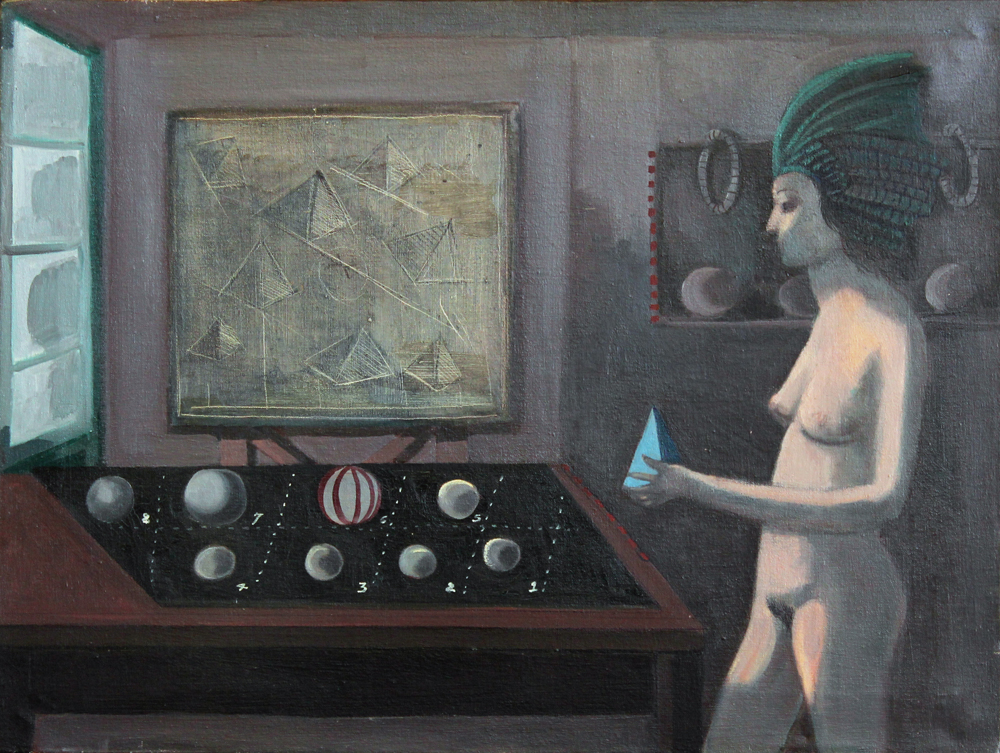
Burt Hasen, Untitled, Oil on Canvas, 18 x 24, ND

Burt Hasen, Untitled, Oil on Canvas, 18 x 24, ND

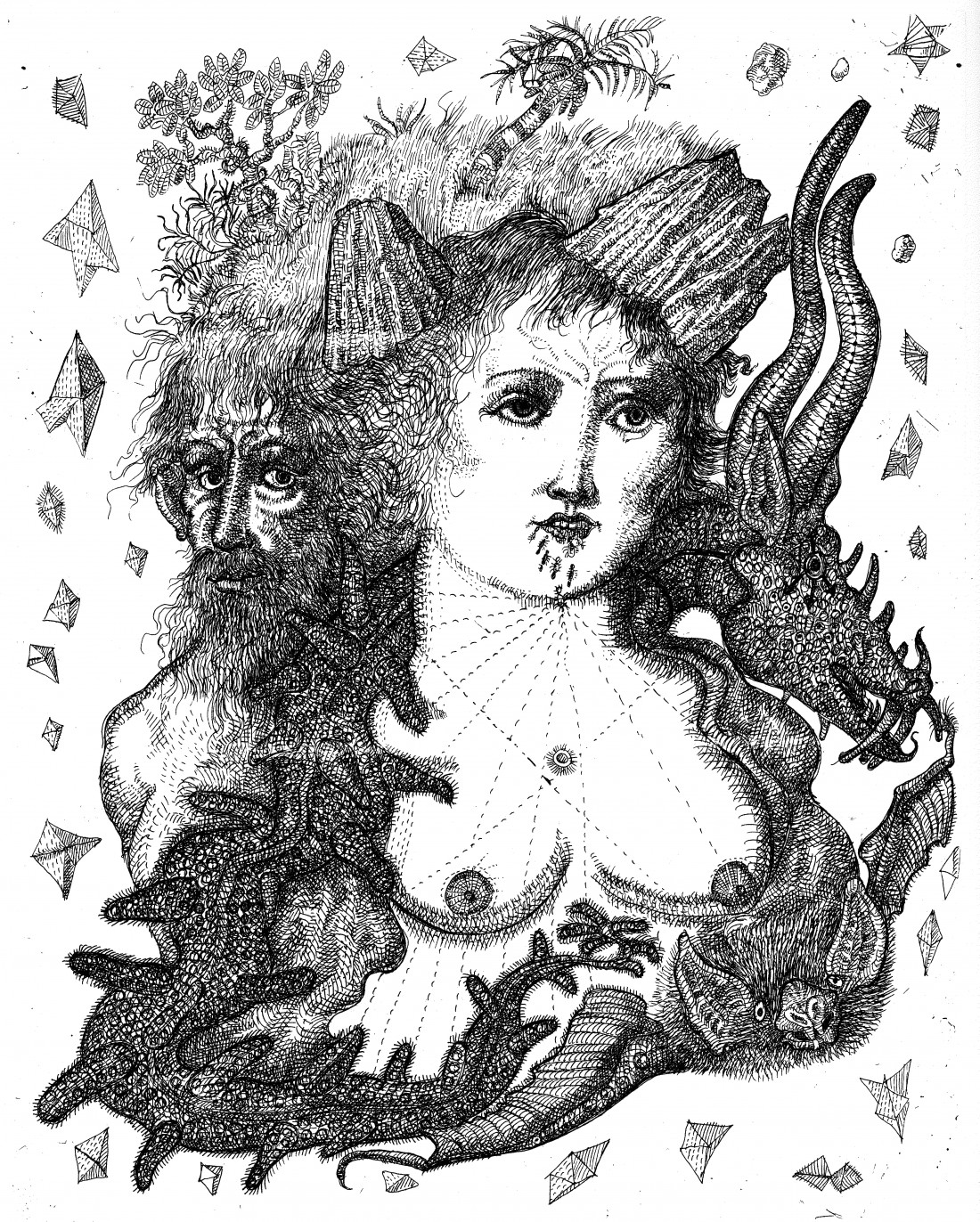
Throughout his career Burt Hasen, a fantastical surrealist extraordinaire, was primarily concerned with understanding the convergence of the internal and external space that occurs haphazardly in the human psyche. His works are packed with symbols, referential allusions and invented hieroglyphs. Despite the specificity of their visual and textual signifiers the resultant imagery lacks any literal identity.

The portraits of woman are a precursor to the works of artists like Cindy Sherman and Lisa Yuskavage. His imagery alludes both to art’s history and the present. His women are distinctly fierce. Hasen’s paints his women in strange indoor settings or dreamy outdoor environments. These works are surreal deviations on the archaic genre of the Lady-in-Waiting portraits. These paintings are about the sitters’ states of mind and psyche. Hasen uses the European Lady-in-Waiting motif with regard to the pictorial composition but his women are not passive objects of beauty.

Burt Hasen’s work teeters between magical realism and surrealism. Thematically there is a fantastical element throughout his work. This is more mysterious and alluring than dark and menacing.
His etchings are populated by figures in varying states of metamorphosis; transitioning from human to animal, singularities to pluralities, background to foreground, inanimate to animate.

Gallery 2:
Seymour Boardman started with a basic structure and as the work evolved he went through the process of simplification, eliminating unnecessary elements, but maintaining the essence of the image. He often painted the edge of the canvas. His paintings are subjects for contemplation.
Lawrence Caclagno’s style ranges from meditative linear abstract landscapes to free-form Abstract Expressionism. His colors resonate the ambiance of his northern California.
Herman Cherry painted deceptively simple abstractions. He was a fine colorist and a poet.
Michael Loew’s work was primarily inspired by landscape, his approach was more painterly and expressive. His application of color remained loose, capturing the harmonious, luminous effects of light and space.
Richards Ruben’s “Venetian Fragments” breaks the dictates of the flat two-dimensional work and reminds us that he is mainly a gestural artist, who shapes and curves his canvases. This reflects his interest in having the inner rhythms of the image correspond with the outer image of the canvas as well as interaction with the wall.
Irving Petlin introduced a new language of abstract landscapes. White flares of dragged brush strokes lift and lighten the atmosphere and invite to share a magical momentum.
John Hultberg’s dramatic landscapes develop with a prophetic and apocalyptic atmosphere, environmental damage, pieces of debris and dirt screams through the piles of organized brushstrokes. He was known as the painter of the in-between. He was a close friend of Burt Hasen.